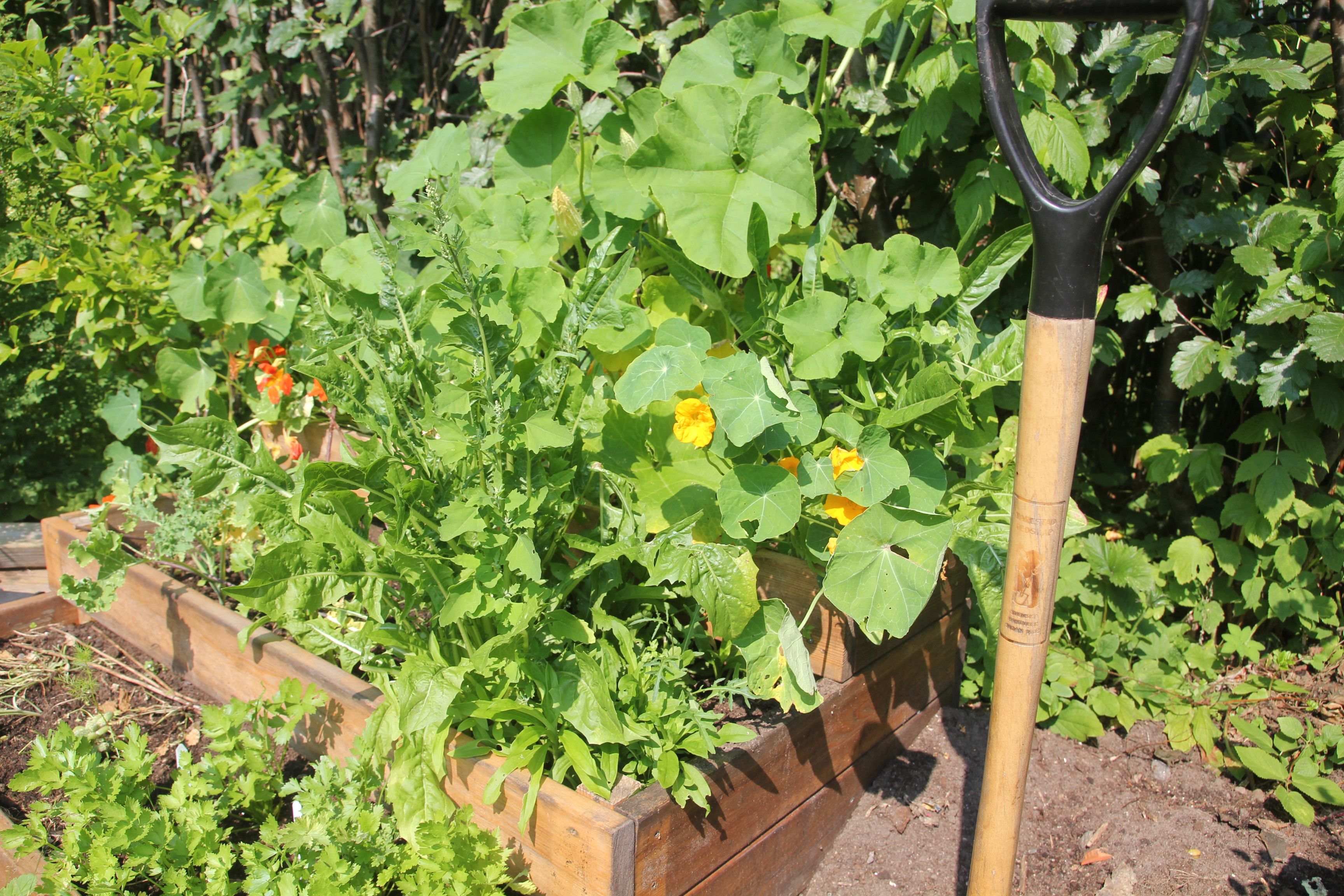
Building Raised Beds for Short Canadian Seasons
Why raised beds warm earlier in a cold spring, sensible timber and dimensions, and how depth interacts with frost in the soil.
Read the note →Brick Hearth Co collects working notes on the parts of vegetable growing that decide a Canadian harvest: how beds are built, which crops shrug off frost, how soil is fed, and how one bed produces more than one crop between the last spring frost and the first hard freeze.

Why raised beds warm earlier in a cold spring, sensible timber and dimensions, and how depth interacts with frost in the soil.
Read the note →
Crops that tolerate light frost at both ends of the season, and the difference between hardy, half-hardy and tender groups.
Read the note →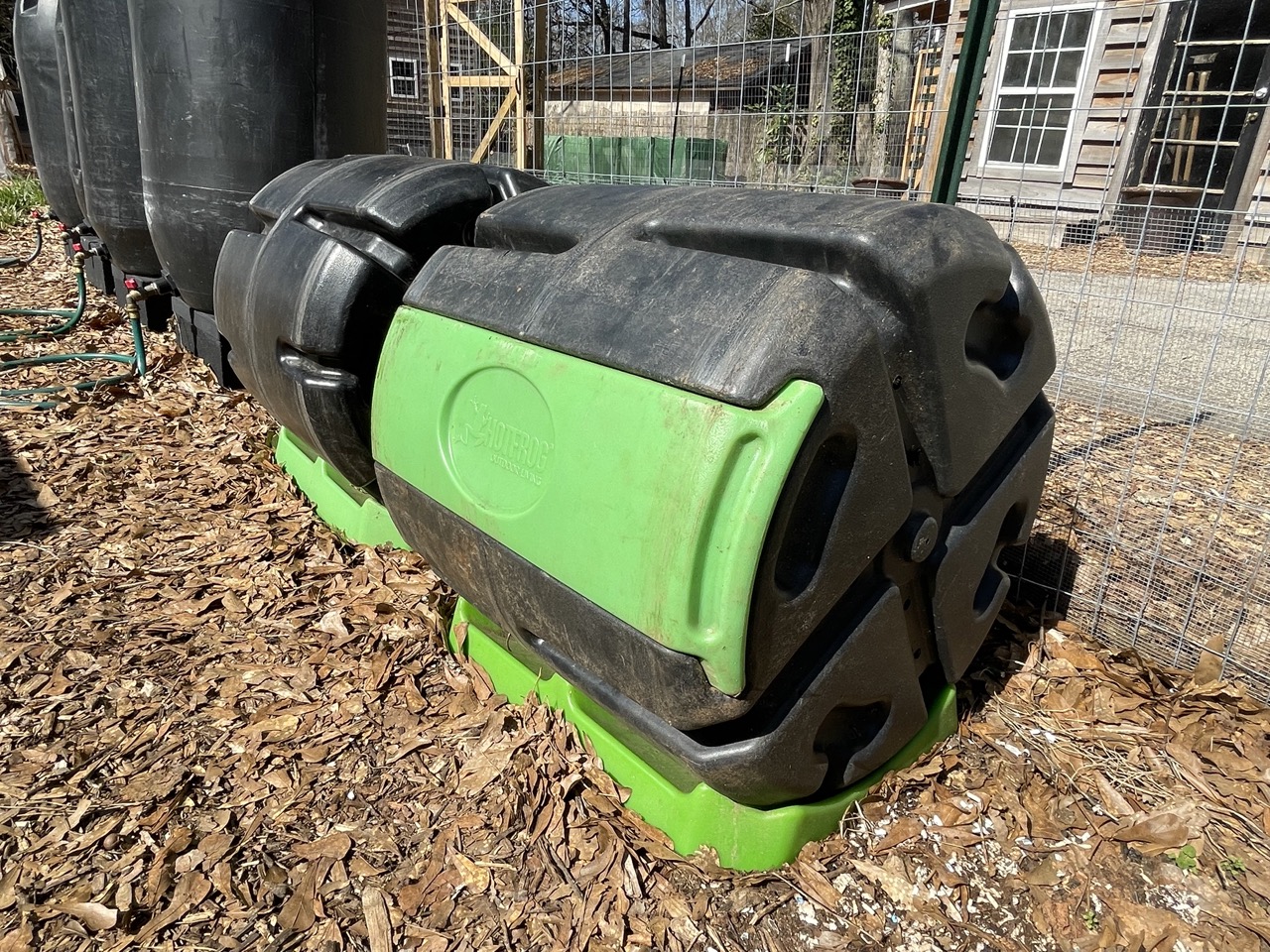
Feeding bed soil with compost and organic matter, then using the warmed weeks for a second and third sowing.
Read the note →Across much of Canada the frost-free window is measured in weeks rather than months, and the date of the last spring frost and the first autumn frost varies widely between regions. The notes here treat that window as the central constraint, because most decisions in a vegetable bed follow from it.

If you spot an error, or want to suggest a topic for a future note, use the form below. It runs in your browser only — nothing is sent to a server.