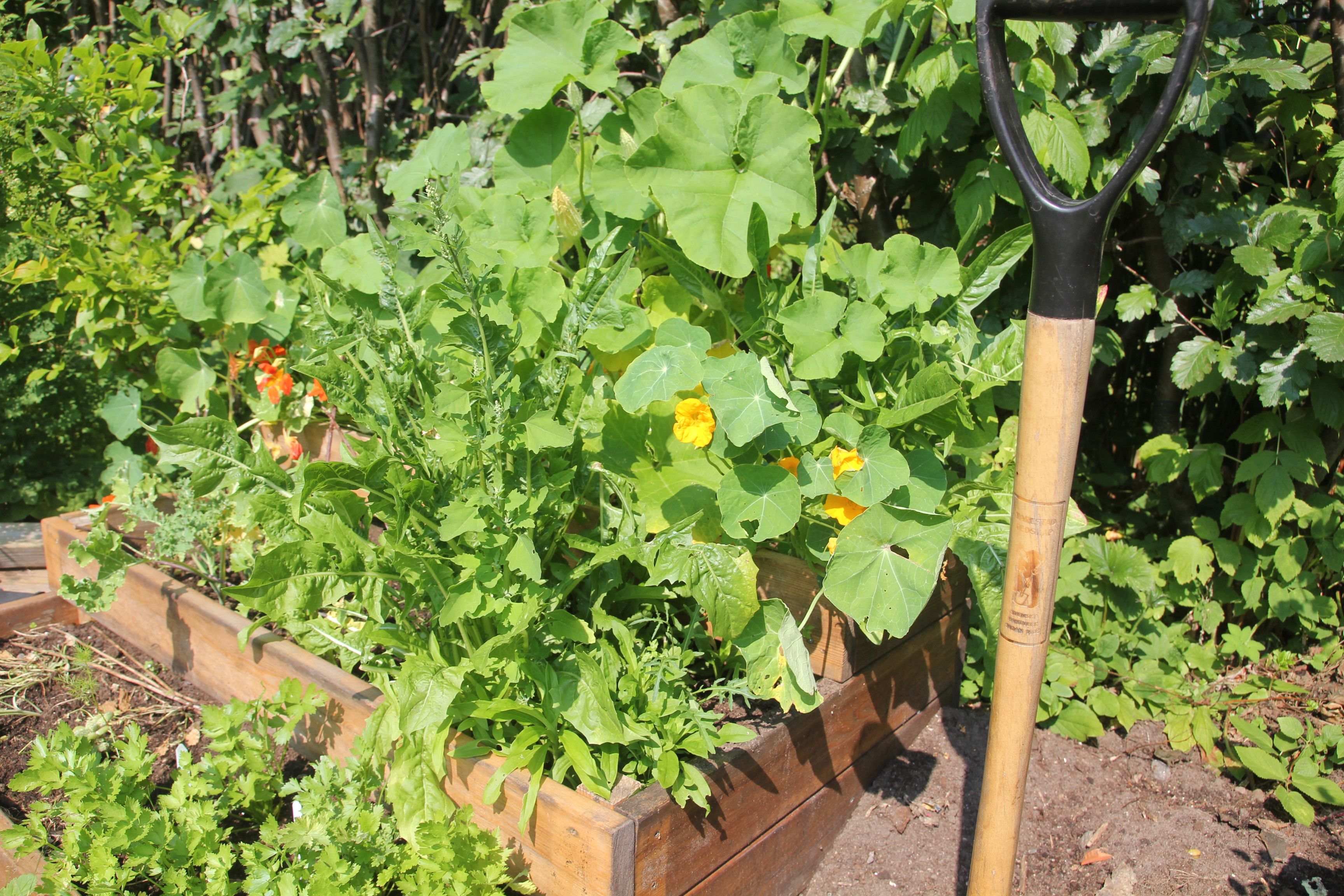
Why a raised bed warms earlier
Soil in a raised bed sits above the surrounding grade and is exposed on more sides, so it drains faster after snowmelt and gains heat sooner in spring. In a cold region where the ground stays wet and cold well into the season, that earlier warming can move a sowing date forward by days, which matters when the whole frost-free window is short. The same exposure means a raised bed can also cool faster on a clear night, so the gain is mainly at the start of the season.
The single idea
A raised bed trades a little water-holding capacity for earlier, more reliable warming and drainage — a good trade where springs are cold and wet.
Materials
Untreated softwood such as cedar or hemlock is a common choice because it resists rot without chemicals that gardeners may not want near edible crops. Pine is cheaper and works but breaks down faster. Where wood is unavailable, untreated concrete blocks or galvanised steel beds serve the same purpose. The material matters less than keeping the soil contained and drained.
Dimensions that work
| Dimension | Typical range | Reason |
|---|---|---|
| Width | Up to about 1.2 m | So the centre is reachable from either side without stepping in. |
| Length | Whatever the site allows | Length does not affect reach or warming. |
| Depth (sides) | About 20–30 cm | Enough rooting depth for most vegetables above existing soil. |
| Path between beds | About 45–60 cm | Room to kneel and move a wheelbarrow. |
These are working ranges, not rules. The reach limit is the one worth keeping: a bed you can tend without compacting the soil by standing in it will stay looser and drain better.
Depth, drainage and frost
A raised bed does not stop the ground beneath it from freezing in winter, and it will not by itself extend the season into deep cold. What the added depth does is give roots warmer, better-drained soil during the growing months and through light frosts at the shoulders of the season. If the bed sits on hard or poorly drained ground, loosening the soil beneath before filling helps water move down rather than pooling at the base.
- Mark the footprint and clear sod or weeds from the area.
- Loosen the existing soil underneath so drainage is continuous.
- Assemble the frame on level ground and check the corners are square.
- Fill with a mix of topsoil and compost, watering as you go to settle it.
- Let the filled bed settle for a few days before sowing or transplanting.
Frost dates first
Before deciding what to plant in a new bed, check the last spring and first autumn frost dates for your area through Plant Hardiness of Canada. Bed-building choices follow from that window.
Where to read next
Once a bed is built, the next decisions are which crops to put in it and how to keep the soil productive. Those are covered in selecting frost-resistant vegetables and in soil amendment and succession planting.
Reference: Plant Hardiness of Canada, Agriculture and Agri-Food Canada.